
Unlocking Natural Well-being: A Guide for Men Over 40

Introduction to Natural Elements

Nature has provided humanity with diverse botanical components, essential nutrients, and plant extracts that have been studied and valued for generations. Understanding how these natural elements work within the body can help men over 40 make informed decisions about their lifestyle and well-being practices.

This educational resource explores the general properties of natural ingredients, their roles in supporting bodily functions, and how they fit into a holistic approach to men's health and vitality after 40.

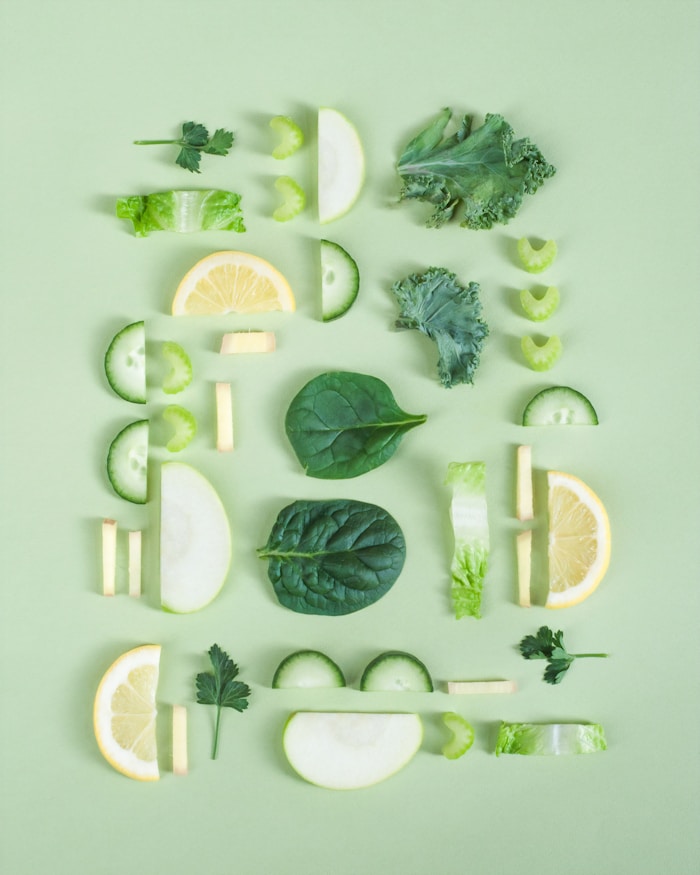
Natural ingredients and botanical components

Understanding Holistic Men's Health

Holistic well-being encompasses more than just the absence of illness. It involves a balanced approach that considers physical activity, mental clarity, nutritional intake, and emotional balance. For men over 40, maintaining this balance becomes increasingly important as the body undergoes natural changes.

Key Aspects of Holistic Well-being

  • Physical Activity: Regular movement and exercise support cardiovascular health, muscle tone, and overall vitality.
  • Nutrition: A balanced diet rich in whole foods, essential nutrients, and natural components supports energy levels and bodily functions.
  • Mental Clarity: Stress management, adequate sleep, and mindful practices contribute to cognitive function and emotional stability.
  • Natural Support: Botanical extracts and essential nutrients derived from nature can complement a healthy lifestyle when used thoughtfully.
  • Preventive Approaches: Understanding natural care practices helps men maintain wellness proactively rather than reactively.

The Role of Botanical Extracts

Botanical extracts are concentrated forms of plant components that have been traditionally valued and studied by researchers worldwide. Each plant offers unique properties that can support various aspects of well-being.

Plant leaf botanical extract

Plant Extracts

Derived from leaves, roots, and stems, these extracts contain natural compounds studied for their supportive properties in maintaining general wellness and vitality.

Spice botanical components

Spice-Based Components

Traditional spices contain bioactive compounds that have been valued across cultures for centuries. Modern research continues to explore their roles in supporting bodily functions.

Herbal wellness ingredients

Herbal Ingredients

Herbs have long held a place in traditional wellness practices. These natural components offer diverse properties that may support various aspects of men's health and daily vitality.

Lifestyle Pillars for Men After 40

Nutrition and Diet

A well-planned diet incorporating whole grains, lean proteins, healthy fats, and abundant fruits and vegetables provides the foundation for sustained energy and wellness. Natural elements in food play crucial roles in supporting bodily processes.

Physical Activity

Regular exercise—whether cardio, strength training, or flexibility work—maintains muscle mass, bone density, and cardiovascular health. Movement also supports mental clarity and emotional well-being.

Mental and Emotional Balance

Mindfulness, meditation, quality sleep, and stress management are essential components of holistic wellness. These practices support cognitive function and overall life satisfaction.

Natural Support Systems

Incorporating natural supplements and botanical components—when appropriate and informed—can complement these lifestyle pillars and support the body's natural processes.

Dietary Considerations for Vitality

Food Group Examples General Benefits
Protein Sources Fish, poultry, legumes, nuts Supports muscle maintenance and repair
Healthy Fats Olive oil, avocados, fatty fish Supports cardiovascular and cognitive function
Whole Grains Oats, brown rice, quinoa Provides sustained energy and fiber
Fruits and Vegetables Berries, leafy greens, cruciferous vegetables Rich in antioxidants and essential nutrients
Herbs and Spices Turmeric, garlic, ginger Contains bioactive compounds with supportive properties

Exploring Natural Care Practices

Self-care using natural components extends beyond supplements. It encompasses lifestyle practices that support the body's natural functions and promote overall wellness.

From dietary choices to mindful practices, from regular physical activity to adequate rest, men over 40 have many evidence-based approaches available to support their well-being without relying on medical interventions.

This educational platform exists to explain these concepts, not to recommend specific actions. Your personal wellness journey should be informed by research, professional guidance, and your own informed choices.

Man meditating in natural environment

Essential Nutrients Explained

The human body requires various nutrients to function optimally. These essential elements support energy production, immune function, bone health, and countless other processes.

Omega-3 Fatty Acids

Found in fatty fish, seeds, and nuts, omega-3s are polyunsaturated fats that support cardiovascular health, brain function, and inflammation management. These essential nutrients play crucial roles in maintaining cellular health and supporting various bodily processes.

Omega-3 rich foods

Vitamin D

Often called the "sunshine vitamin," vitamin D is synthesized by the body when exposed to sunlight and is also found in certain foods. It supports bone health, immune function, and mood regulation. Natural sunlight exposure remains one of the most effective ways to maintain adequate vitamin D levels.

Man in sunlight outdoors

Antioxidants

Found abundantly in fruits, vegetables, and plant-based foods, antioxidants help neutralize free radicals in the body. Compounds like vitamins C and E, beta-carotene, and various phytonutrients support cellular health and may reduce oxidative stress.

Antioxidant-rich berries and fruits

Historical Perspectives on Natural Approaches

Ancient Times

Civilizations across the world—from Egypt to China to India—developed sophisticated systems of herbal medicine and natural wellness practices. These traditional approaches were based on generations of observation and experience.

Middle Ages to Renaissance

Herbal medicine flourished in Europe, with monasteries and apothecaries carefully cultivating and documenting the properties of various plants. Knowledge of natural remedies was preserved and refined throughout this period.

Modern Scientific Era

The 19th and 20th centuries saw the rise of pharmacology and scientific research into plant compounds. Many traditional uses of plants have been validated through rigorous scientific study.

Contemporary Research

Today, universities and research institutions worldwide continue investigating natural components and their roles in supporting human health. This ongoing research bridges traditional wisdom with modern scientific understanding.

Debunking Common Myths

While natural components are derived from nature, they are not automatically free from all effects or interactions. Any substance capable of producing beneficial effects may also produce side effects in certain individuals or when combined with medications. Informed use and consultation with healthcare professionals is important.

Natural components are not substitutes for medical treatment of diagnosed health conditions. This educational resource emphasizes general wellness and preventive approaches. Anyone with health concerns should consult qualified healthcare professionals for proper diagnosis and treatment.

Individual responses to natural components vary significantly based on genetics, existing health conditions, medications, diet, and lifestyle factors. What works effectively for one person may have different results for another. Personalized approaches, informed by professional guidance, are essential.

The origin of a substance—natural or synthetic—does not automatically determine its safety or effectiveness. What matters is the scientific evidence supporting its use, proper manufacturing standards, and appropriate application. Both natural and synthetic approaches have roles in wellness.

Sustainable wellness is typically a gradual process. Natural components generally work within the body's systems over time, supporting rather than forcing change. Unrealistic expectations about rapid transformations often lead to disappointment. Patience and consistent practices are key.

Scientific research on natural components

The Science Behind Nature

Modern scientific research has begun to validate many traditional uses of natural components. Scientists study the bioactive compounds in plants, examining how they interact with human physiology and supporting various bodily functions.

Phytochemistry—the study of chemical compounds produced by plants—has revealed complex molecules with numerous beneficial properties. Flavonoids, polyphenols, terpenoids, and countless other plant compounds are subjects of ongoing research.

This educational approach combines traditional knowledge with scientific inquiry, presenting information based on available research while acknowledging areas where more investigation is needed.

Maintaining Balance: A Daily Approach

Morning Practices

Starting the day mindfully sets a positive tone. This might include hydration, light stretching, exposure to natural sunlight, and a nutritious breakfast incorporating whole foods and natural components.

Midday Habits

Maintaining energy throughout the day involves staying hydrated, taking movement breaks, and having balanced meals incorporating diverse nutrients from various food sources.

Evening Rituals

Winding down properly supports quality sleep and recovery. This includes reducing screen time, relaxation practices, and consuming foods that support natural sleep processes without excessive stimulation.

Weekly Integration

Over the course of a week, intentional practices—exercise, meditation, meal planning, and social connection—create a comprehensive approach to wellness that extends beyond any single supplement or practice.

Global Wisdom on Natural Living

Mediterranean Approach

Emphasizing olive oil, fish, vegetables, and whole grains, the Mediterranean diet has been extensively researched for its supportive properties in cardiovascular health and longevity.

Traditional Chinese Perspectives

Balancing yin and yang through herbal remedies, dietary choices, and movement practices like tai chi represents millennia of accumulated wellness knowledge.

Ayurvedic Principles

Indian traditional medicine emphasizes balancing the body's doshas through personalized nutrition, herbal remedies, and lifestyle practices tailored to individual constitution.

Nordic Wellness

Scandinavian traditions emphasize seasonal eating, forest bathing, sauna use, and connection with nature as foundational wellness practices.

Important Limitation and Context

Educational content only. No promises of outcomes. All information provided on Klaron is strictly for educational and informational purposes. This is not medical advice, diagnosis, or treatment. The content does not represent personal recommendations, and individual results vary significantly based on genetics, lifestyle, and personal circumstances. Always consult with qualified healthcare professionals before making changes to your health regimen or if you have existing health concerns. Natural components are not replacements for professional medical treatment.

Explore More About Men's Well-being

Discover in-depth educational content specifically tailored to natural approaches and holistic practices for men over 40.

Learn More