7 Daily Prostate Care Habits Every Indonesian Man Should Know
Prostate wellness is not the outcome of any single intervention — it is built through consistent daily habits. The urological research is clear: lifestyle choices made in your 30s and 40s shape how your prostate functions in your 50s and beyond.
Why Daily Habits Are More Powerful Than You Think
The prostate gland doesn't respond dramatically to acute changes — it responds to chronic patterns. A month of better diet doesn't produce the same effect as two years of consistent anti-inflammatory eating. This is both the challenge and the opportunity: small, sustainable daily habits create compounding long-term benefits.
Habit 1: Hydration With Intentional Timing
Drink 2–3 liters of water daily, distributed consistently from morning until late afternoon. Reduce intake from approximately 7 PM onward to minimize nocturia (nighttime urination) without compromising daytime hydration. Replacing teh botol and minuman bersoda with air putih and teh hijau tanpa gula reduces bladder irritants while adding beneficial polyphenols (EGCG from green tea has been studied for prostate cellular health).
Habit 2: Daily Pelvic Floor Exercises (Kegel)
The levator ani muscles of the pelvic floor directly support urinary control and prostate function. Chronic stress causes unconscious tightening of these muscles — a primary mechanism in CPPS. Targeted exercises help: Contract pelvic floor muscles for 5 seconds, release for 5 seconds, 10–15 reps, 3 sets daily. Progress to 10-second holds over 4–6 weeks. Completely discreet — can be performed at a desk, in a car, or lying down.
Imagine trying to stop urine flow mid-stream — those are the target muscles. Alternatively: imagine lifting your scrotum. Do NOT contract abdominal, buttock, or thigh muscles simultaneously. Isolated contraction is most effective.
Habit 3: 30 Minutes of Moderate Daily Exercise
A 30-minute daily walk produces measurable reductions in systemic inflammatory cytokines (IL-6, TNF-α) and improves pelvic blood circulation — both directly relevant to prostate tissue health. More vigorous options (badminton, swimming) provide superior aerobic benefit. Avoid prolonged cycling without proper ergonomic saddle setup, as perineal compression may worsen symptoms in men with existing CPPS.
Habit 4: Anti-Inflammatory Meal Choices
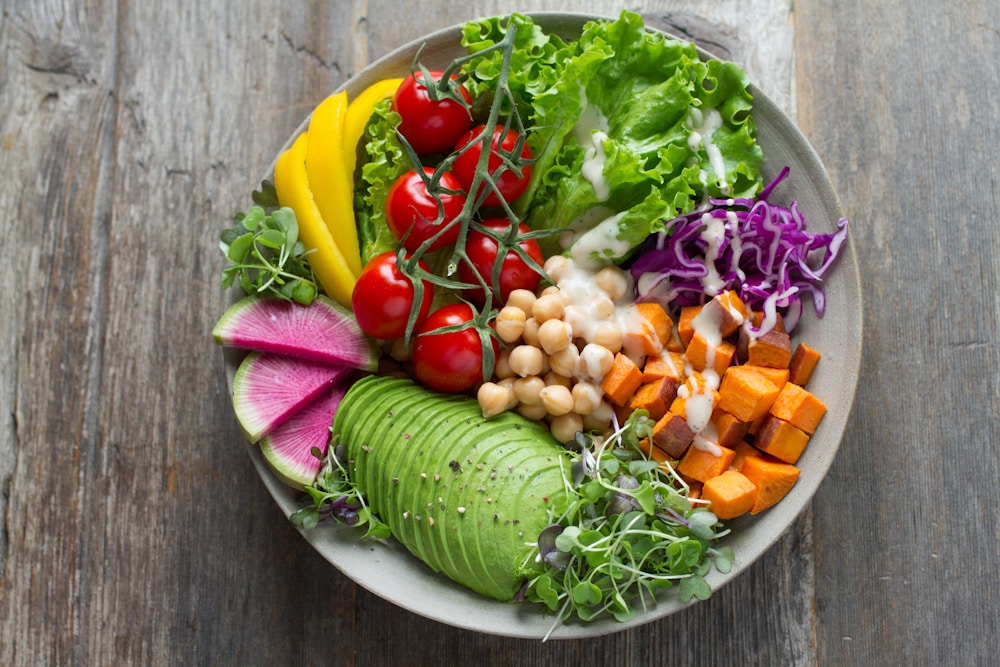
The five most impactful food-based daily additions: (1) Cooked tomatoes (sambal tomat, sup tomat) — highest bioavailable lycopene source. (2) A small handful of biji labu (pumpkin seeds) as a snack — excellent zinc source. (3) Fatty fish 3–4× per week (ikan makarel, kembung, tuna) — omega-3 anti-inflammatory EPA/DHA. (4) Cruciferous vegetables (brokoli, sawi) — sulforaphane activates antioxidant pathways. (5) Unsweetened teh hijau 2× daily — EGCG polyphenol.
Habit 5: 7–8 Hours of Quality Sleep
Testosterone production, prostate cellular repair, and inflammatory regulation all occur during deep sleep. Consistent sleep deprivation (under 6 hours) raises CRP (C-Reactive Protein) by up to 45% in some studies — CRP is a key prostate inflammation marker. Practical target: consistent bedtime (±30 minutes), cool room (23–25°C), no screens 60 minutes before sleep.
Habit 6: Standing Break Every 60 Minutes
Prolonged sitting compresses the perineal region and reduces pelvic circulation — a consistently cited lifestyle factor in CPPS. For Jakarta office workers, the impact is significant: average desk workers sit 10+ hours daily. The intervention is simple: stand and walk 3–5 minutes every 60 minutes. A phone alarm is the most effective implementation tool. No gym required.
Habit 7: Annual Urological Health Review
Most prostate conditions are detectable and manageable when identified early. For men over 40: discuss PSA screening timing with your doctor. For men of any age experiencing urinary symptoms: seek prompt evaluation. In Indonesia, urology consultations are available privately (RS Pondok Indah, RS Siloam, RS Mitra Keluarga) or via BPJS referral to public hospital urology polyclinics.
This article is for general educational purposes only and does not constitute medical advice, diagnosis, or treatment. If you experience urinary symptoms, pelvic pain, fever with urological symptoms, or blood in urine or semen, consult a licensed physician promptly. Do not substitute lifestyle changes for professional medical care.